What Is Cloud Warehousing? Why Cross-border Importers Need a China Cloud Warehouse
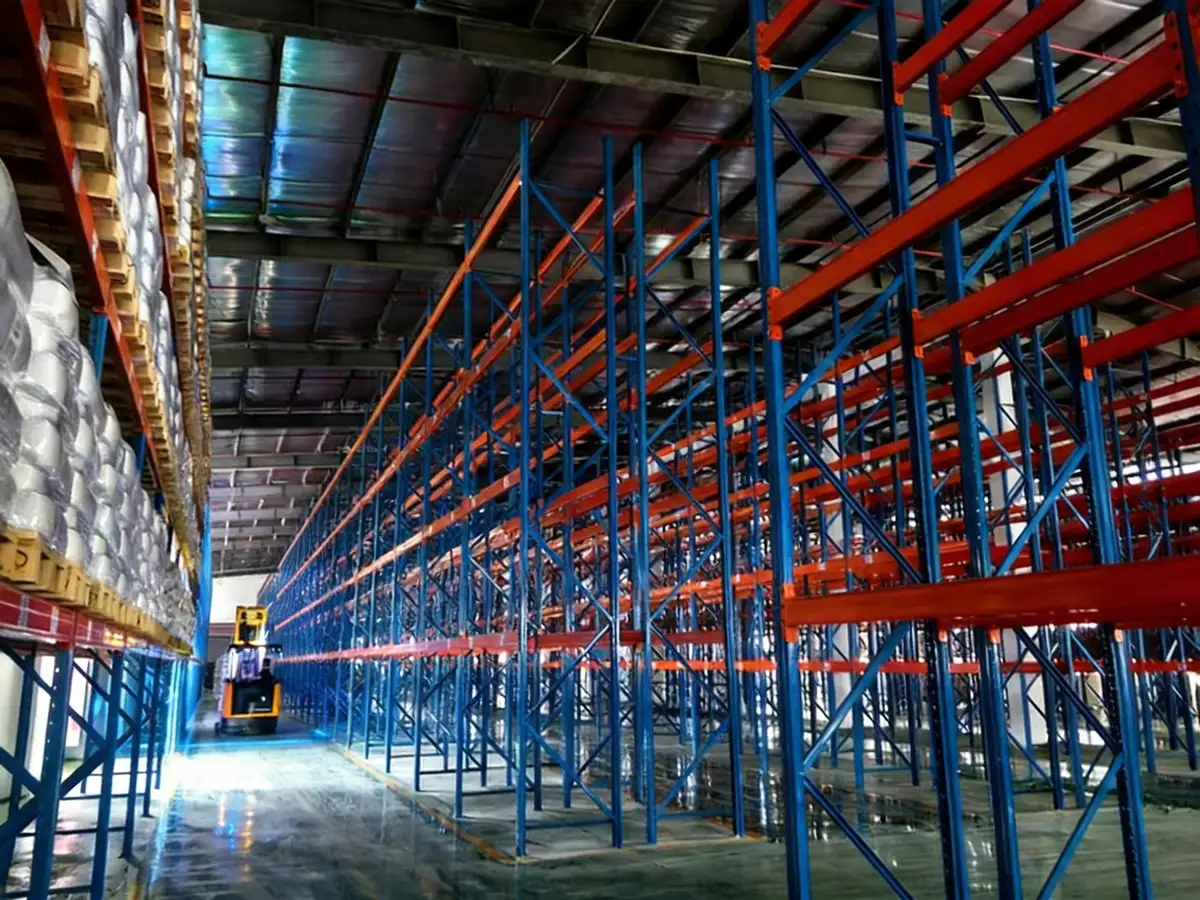
"Cloud warehousing" is a hot term in cross-border e-commerce, yet many international clients ask the same question the first time they hear it: What exactly is a cloud warehouse, and how is it different from the third-party warehouses in my own country?
In one sentence: cloud warehousing = warehouse + cloud system + fulfillment network. It packages storage, software, and delivery into a pay-as-you-use service — your goods are in China, your management is in the cloud.
1. Three Features of a Real Cloud Warehouse
The System Is the Core
- Inventory managed by a real WMS, not spreadsheets
- Automatic integration with Tmall, JD, and Douyin — orders sync without manual entry
- Inventory, shipments, and tracking visible from phone or computer, anytime
A Multi-Warehouse Network
- Multiple warehouses across the country work as one; orders ship from the nearest location
- Faster delivery, lower freight — the same logic applies to international clients
Integrated Warehousing and Fulfillment
- Storage plus courier delivery as one service; put your goods in a China warehouse and let the system handle the rest
2. The International Client Scenario: How Cloud Warehousing Serves Cross-border Imports
For overseas brands and cross-border sellers, the value of a China cloud warehouse concentrates in four stages:
- Temporary storage: keep goods in China between arrival and a promotion or launch, without renting your own facility
- Bonded stock: under the bonded model, goods enter the zone first and duty is paid after sale, keeping capital tied up
- Marketplace inbound and drop shipping: ship directly to consumers from the cloud warehouse, or transfer stock into marketplace warehouses
- Domestic delivery: the cloud warehouse plugs into the courier network for nationwide delivery, and after-sales returns are handled in-country
3. Cloud Warehouse vs. Traditional Warehouse
| Aspect | Traditional warehouse | E-commerce cloud warehouse | |--------|-----------------------|----------------------------| | Inventory control | Manual books and Excel, inaccurate | WMS real-time, 99.9%+ accuracy | | Order processing | Manual import and label printing, slow | Auto-integration with platforms | | Shipping speed | Same-day is a good day | Orders before 5 p.m. ship same day | | Cost model | Fixed rent and fixed labor | Pay per order, use what you need | | Scalability | Hard to add space and staff | Elastic expansion for peaks | | Data | Gut feel | Full data on stock, sales, transit times |
An example: traditionally, you rent a warehouse in Shanghai, a customer in Beijing means shipping from Shanghai at RMB 8 and 3 days' transit, and you pay rent and staff even in the off-season. With cloud warehousing, stock sits in several cities — Beijing orders ship from Beijing at RMB 5, arriving next day; 100 orders a day cost 100 orders; 10 orders cost 10.
4. Five Advantages of Cloud Warehousing
- Faster delivery: ship from the nearest warehouse; next-day delivery across the Yangtze Delta and major cities — fast receipt means good reviews and repeat purchases
- Cheaper shipping: high volumes win better carrier rates; ordinary e-commerce pays RMB 5-8 per parcel, cloud warehouses pay RMB 3-5, saving about RMB 240,000 a year at 10,000 monthly orders
- No facility or team to build: no warehousing organization to register in China, no people to manage — focus on products and channels
- Elastic scaling: a 10x order surge at Singles' Day or 618 is absorbed by backup labor and space
- Accurate inventory: platform listings and warehouse stock stay in sync, avoiding overselling fines and complaints
5. Limitations: Not for Everyone
- Too-small volumes: under 50 orders a day, per-order handling fees may make self-fulfillment cheaper
- Extreme control needs: clients who cannot bear a second of unaccounted inventory should be cautious
- Special categories: hazardous goods, cold-chain food, and oversized items require dedicated licenses and equipment
- Uneven quality: check licenses, references, and contracts — never choose on price alone
6. How to Choose a Reliable China Cloud Warehouse
- Verify the network: are the multiple warehouses company-owned or franchised? Franchised quality varies
- Test the system: does it integrate with every platform you sell on? Does inventory sync in real time?
- Price the whole picture: storage, handling, shipping, and returns fees item by item — watch for hidden charges
- Get commitments in writing: inventory accuracy, shipping deadlines, and loss compensation in the contract
- Trial for 1-2 months: migrate 10%-20% of orders first, then go all-in once it proves stable
💡 Rundong Cloud Warehouse — Your China Warehouse Manager
✅ Five warehouses in Shanghai and Guangzhou totaling 50,000+ m², supporting bonded and general trade
✅ Multi-warehouse shipping; next-day delivery in the Yangtze Delta, 2-3 days nationwide on average
✅ 99.95% inventory accuracy, full compensation for losses
✅ Pay per order — no waste in the off-season, no overflow in the peak
Rundong Supply Chain serves numerous international clients, offering one-stop China transshipment warehousing, temporary storage, customs clearance, and domestic logistics. Contact: +86-21-5918-5706 / shrdwl010@shrdwl.cn