Cross-Border Services
One-Stop Customs Clearance
Leveraging Shanghai/Guangzhou port advantages, integrating sea freight, air freight, and customs resources for efficient, compliant import/export clearance.
Clearance Services
Six core services covering the full process from documentation to release and delivery
HS Code Classification
Professional customs team accurately classifies goods by attributes, avoiding inspection delays and tax risks from coding errors.
Document Preparation
Professional preparation and review of customs declarations, invoices, packing lists, contracts — ensuring cargo-document consistency.
Sea & Air Freight Booking
Integrated global port and airport route resources, offering competitive rates and stable space with flexible timeline/cost matching.
Customs Inspection Support
Professional customs officers accompany inspections, pre-assess risks, and prepare explanatory materials to minimize inspection time.
Tariff Planning
Legally optimize tariff costs through tariff classification, rules of origin, and free trade agreements within compliance frameworks.
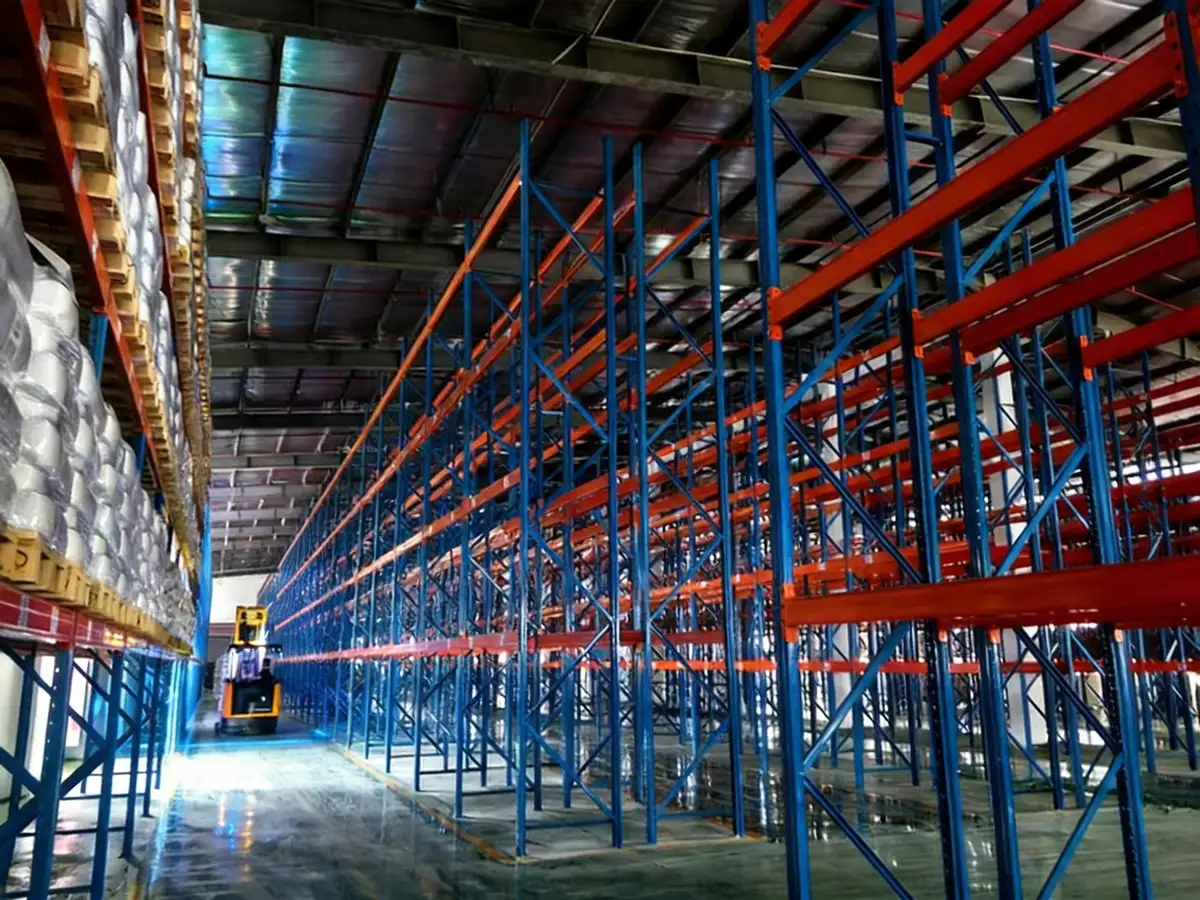
Bonded Warehousing
Leveraging comprehensive bonded zone resources for bonded storage, simple processing, and transit trade — deferring duty payments.
Clearance Process
Four-step standard process ensuring efficient clearance for every shipment
Requirements Review
Understand product categories, import/export countries, trade methods, and timeline requirements for initial clearance assessment.
Document Preparation
Assist in collecting and organizing complete customs documentation: contracts, invoices, packing lists, bills of lading, certificates of origin.
Declaration & Clearance
Submit electronic customs data via Single Window, coordinate with customs review, handle inspections and supplementary declarations.
Release & Delivery
Arrange pickup, transport, and warehousing after customs release. Provide complete clearance documentation for archiving.
Why Choose Rundong for Customs
Professional team + port resources + digital management — making import/export clearance simple
Shanghai Port Direct
Deeply rooted in Shanghai Port and Pudong Airport, on-site customs team for immediate issue resolution.
AEO Certification Standard
Compliance system built to AEO advanced certification standards, enjoying customs facilitation benefits.
All-Category Experience
Covering general cargo, hazardous chemicals, food, cosmetics, mechanical equipment, and more.
Digital Customs
Customs management system tracks every declaration in real time with automatic alerts — full visibility and control.
Customs FAQ
Quick answers to the most common questions
How long does customs clearance typically take?
Standard import clearance takes 2-3 working days. If customs inspection is triggered, it typically extends by 2-5 working days. Rundong prepares complete compliant documentation in advance to effectively reduce inspection time.
What documents are required?
Standard imports require: contract, invoice, packing list, bill of lading, certificate of origin. Special categories may also need inspection clearance and import licenses. Rundong's customs team will prepare a checklist and assist with preparation.
What are the consequences of HS code classification errors?
This can lead to clearance delays, supplementary tax payments, customs administrative penalties, and in severe cases impact enterprise credit ratings. Rundong's professional classification team ensures accurate and compliant coding.
Can you handle duty and VAT payments on our behalf?
Yes. Rundong provides customs duty payment agency services. Clients simply settle per the agreed schedule without handling customs tax payment processes themselves.
What are the advantages of bonded warehousing?
Goods entering bonded warehouses defer customs duty and VAT payments — taxes are only due when goods physically exit the warehouse for the domestic market. Ideal for batch sales after import and transit trade scenarios, significantly easing cash flow pressure.
Which ports do you serve?
Shanghai is our core port (Waigaoqiao, Yangshan, Pudong Airport), with coverage also available for Ningbo, Shenzhen, Guangzhou, Tianjin, and other major ports, flexibly allocating resources per client needs.
What's the difference between air and sea freight clearance?
Air freight clearance is faster (typically 1-2 days) but more expensive, suitable for high-value, time-sensitive goods. Sea freight clearance is lower cost for bulk shipments but takes longer. Rundong handles both as one-stop operations.
What happens during a customs inspection?
Customs inspection is a normal regulatory process. Rundong's on-site customs team responds immediately during inspections — assisting with unpacking, explaining classification rationale, and supplementing documentation to minimize inspection time.
What special qualifications are needed for food import clearance?
Food imports require: overseas manufacturer registration number, certificate of origin, health certificate, Chinese label filing. Some categories also require import licenses. Rundong can assist with full qualification preparation and label review.
Need Customs Clearance Services?
Contact us now for a custom clearance plan and transparent pricing