Bulky Furniture Warehousing in China: Safe Storage for Sofas, Panels, and Glass
Furniture is one of the most demanding categories in warehousing: large, heavy, oddly shaped, and easily damaged. Sofas hate dirt, panels hate moisture, glass hates impact, and lacquered surfaces hate scratches — and one careless move during handling can cost more than the piece itself.
For international furniture brands the challenge runs deeper: an Italian sofa spends weeks in transit by sea, and after it clears customs it must sit safely in a warehouse until it is delivered and installed in a Chinese home. Any slip in the warehousing link can undo months of order planning.
1. The International Client Scenario: Transshipment and Delivery of Imported Furniture in China
- Port-to-warehouse transshipment: after the container arrives and clears customs, goods go into a China warehouse for staging and are then delivered in batches against orders — temporary storage is the standard link in the furniture import chain
- Order-based storage: goods for the same customer or the same order are stored together and leave as complete orders, avoiding complaints from split deliveries
- Delivery and installation coordination: bulky furniture is usually "delivered to door plus installation" — the cloud warehouse plugs into the delivery network for nationwide reach, with damage liability clearly traceable
- Value-added services: repacking, replacement packaging, labeling, and pre-installation checks can all be completed in the warehouse before dispatch
2. The Five Things Furniture Warehousing Fears Most
Dirt: A Stained Sofa or Fabric Cover Cannot Be Sold
- Check packaging on inbound; repair damage immediately
- Never store directly on the floor — use pallets or cartons
- Lift when moving; never drag across the floor
- Use dust covers, especially for light-colored sofas and beds
Moisture: Panels and Solid Wood Warp and Mold
- MDF and particle board swell, warp, and mold when damp; solid wood cracks
- Keep at least 10 cm above the floor and 50 cm from walls
- Run dehumidifiers in the plum-rain season, ventilate on dry days, keep humidity below 65%
- Keep packaging film sealed and intact
Scratches: One Touch Ruins a Lacquered or Glass Surface
- Pad all corners and edges; separate glass or stone slabs with foam or pearl cotton
- Never let lacquered surfaces touch each other — insert cushioning
- Wear gloves when handling; never touch lacquered faces directly
Pressure: Stacking High Deforms Goods
- Stack panels no higher than 1 m and sofas no more than two high
- Heavy items on the bottom, light on top; nothing stacked on top of furniture
Breakage: Glass, Stone Slabs, and Ceramics Shatter on Impact
- Store upright, never flat, at about an 80-degree angle, braced on both sides
- Cushion between pieces with foam; always carry with two people, gently
3. Storage Requirements by Category
| Category | Core requirements | |----------|-------------------| | Panels (MDF, particle board, plywood, solid wood) | Palletized 10 cm+ off the floor, 50 cm+ from walls, stack height ≤ 1 m, humidity ≤ 65% | | Sofas and soft beds | Dust covers, palletized, max two high, kept dry to prevent mold | | Finished furniture (tables, chairs, cabinets) | All corners and legs padded, stored upright, lacquered faces separated, stack ≤ 2-3 high | | Glass, stone slabs, ceramics | Upright only, on wooden strips off the floor, foam between pieces, two-person handling | | Hardware and fittings | Sorted and bagged by type, labeled, on racks, protected from rust |
4. Warehouse Layout and Handling Operations
- Zoning: panel zone, sofa and soft-bed zone, finished-goods zone, hardware zone, inspection-pending zone, and rejected-goods zone
- Aisles: main aisles at least 4 m wide (forklifts and oversized panels must pass), secondary aisles at least 3 m, aisles never used for storage, with extra turning space at corners
- Handling: lift gently — no dropping, throwing, or dragging; two people per bulky piece; carry glass and stone slabs vertically; inspect after every move for scratches or dents
5. Daily Management Essentials
- Three checks on inbound: count (against the delivery note), quality (scratches, dents, warping, missing parts), and packaging (repair any damage immediately)
- Clear labeling: product name and model, owning customer, quantity, and inbound date on every item and stack — never rely on memory
- First-in, first-out: hardware rusts, panels deform, and new models devalue old stock — ship oldest stock first
- Monthly counts: verify quantity, damaged goods, and slow movers in one pass
- Fire and moisture prevention: wood, board, and fabric are all flammable — no smoking, no open flames, complete fire equipment, and dehumidification during the rainy season
6. Ten Iron Rules of Furniture Warehousing
- Never store on the floor — palletize at least 10 cm high
- Keep 50 cm+ from walls to prevent moisture
- Pad every corner and edge
- Glass and stone slabs stand upright only — never flat
- Sofas stack no more than two high to protect springs
- Panels stack no higher than 1 m
- Handle gently — no dropping, throwing, or dragging
- Inspect on inbound; deal with damage immediately
- Label every item
- First-in, first-out — no stale stock hoarding
7. Rundong Furniture Warehousing Services
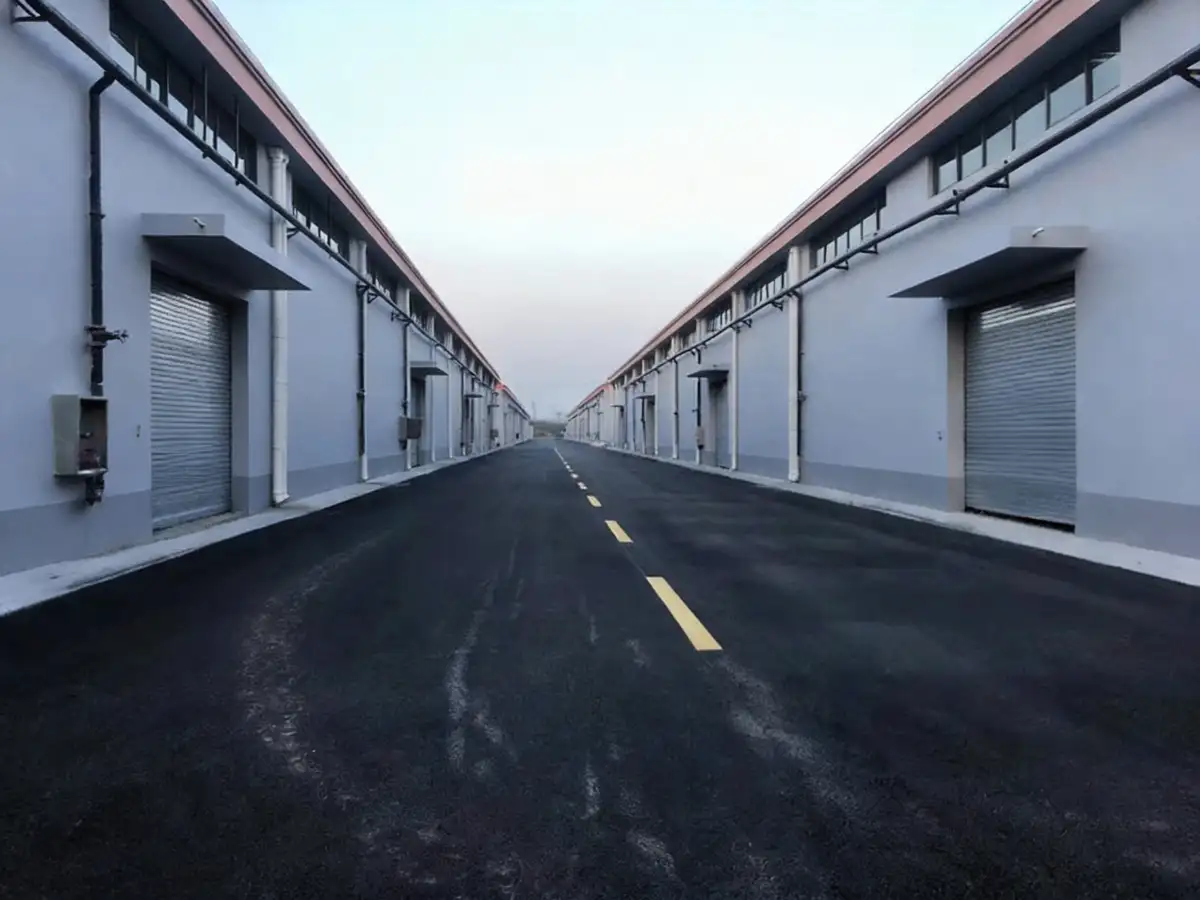
✅ 50,000 m² Class C-2 warehouse in Shanghai's Jiading District with dedicated furniture zones, supporting bonded and non-bonded modes
✅ 4-meter main and 3-meter secondary aisles — oversized panels and sofas move freely
✅ Pallet and rack storage, off the floor and away from walls, moisture and mold protected
✅ Professional bulky-goods handling team working in pairs, gently
✅ 24/7 surveillance and guards
✅ Repacking, replacement packaging, and labeling completed in-warehouse
Rundong Supply Chain serves numerous international clients, offering one-stop China transshipment warehousing, temporary storage, customs clearance, and domestic logistics. Contact: +86-21-5918-5706 / shrdwl010@shrdwl.cn