Warehousing Imported General Chemicals in China: Compliant Storage for Non-Hazardous Materials
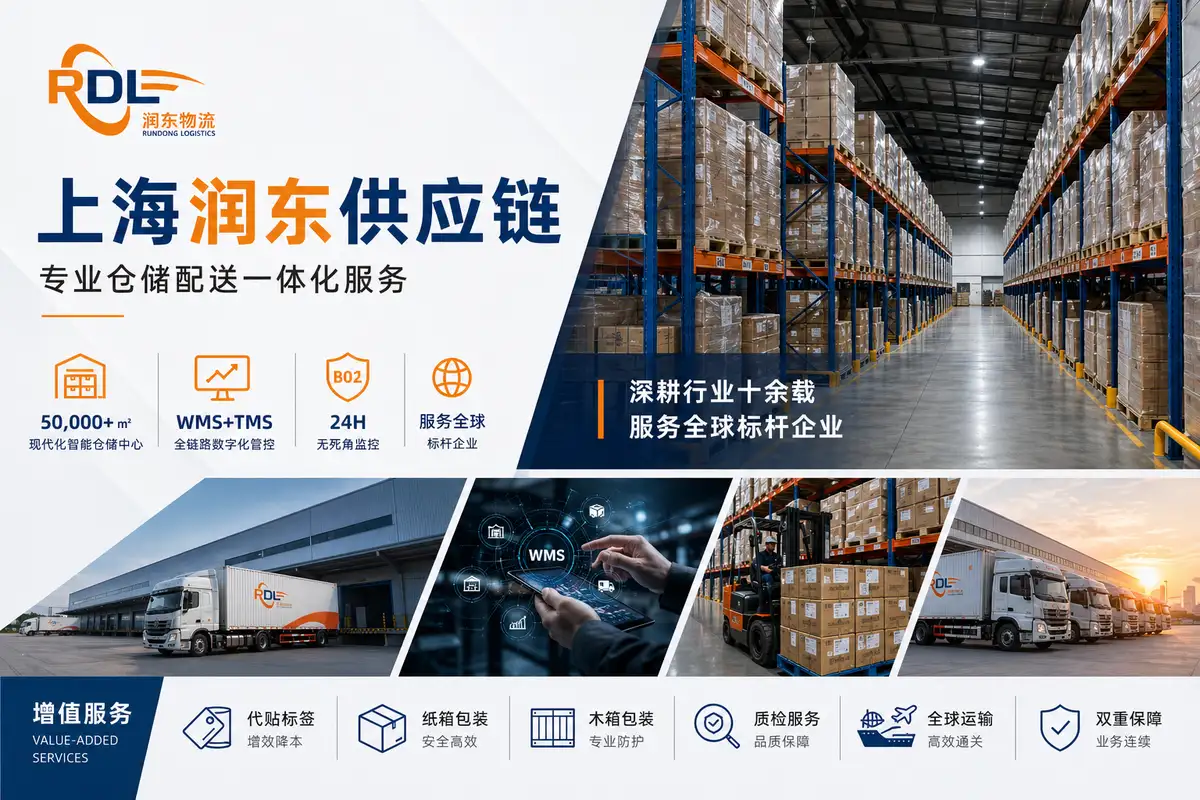
Not all chemicals are hazardous. Large volumes of personal-care raw materials, plastic pellets, pigments and dyes, and food additives are general chemicals that can be stored in Category II-2 warehouses. For foreign chemical brands, the key is drawing a clean line between "general" and "hazardous," then executing inbound review, segregated storage, leak containment, and emergency preparedness.
1. International Client Scenario: The Compliance Chain for Imported Chemicals
Before shipping to China, foreign chemical brands must first complete hazard classification:
- Assess the product against China's Hazardous Chemicals Catalogue and GHS classification
- Provide an MSDS to customs at import; some products also require a hazard classification assessment report
- After arrival, hazardous and non-hazardous goods are split: hazardous materials go to dedicated chemical warehouses; general chemicals go to Category II-2 warehouses — with more flexibility on cost and turnover
The test has three parts: check the MSDS, check the hazard labels on packaging, and check the Hazardous Chemicals Catalogue. General chemicals not on the Catalogue can be stored in a Category II-2 warehouse without issue.
2. What Can and Cannot Be Stored
Suitable (non-hazardous chemicals):
- Personal-care raw materials: surfactants, fragrances, preservatives
- General chemical raw materials: plastic pellets, pigments, dyes, non-flammable coatings
- Food-grade additives, industrial auxiliaries (defoamers, emulsifiers)
Not suitable (hazardous chemicals):
- Flammable/explosive: gasoline, alcohol, paint thinners
- Strongly corrosive: sulfuric acid, hydrochloric acid, caustic soda
- Toxic: pesticides, cyanides; oxidizers: hydrogen peroxide, bleaching powder; compressed gases: oxygen, LPG, hydrogen
3. Segregation Rules and Incompatible Combinations
- Segregate by acidity/alkalinity, layer solids above liquids, separate strong odors, and keep food-grade apart from industrial-grade
- Incompatible combinations: acid + alkali (exothermic reaction), oxidizer + reducer (explosion risk), water-reactive materials exposed to moisture
- Liquid drums sit on spill-containment pallets; large volumes get containment dikes; drums are stored on lower rack levels with absorbent pads on hand
4. Safety Management
- Fire safety: no smoking or open flames inside; complete firefighting equipment; stacks kept clear of light fixtures
- Exposure protection: ventilated warehouse; masks and gloves for workers; no eating or drinking inside
- Emergency response: absorbent pads, sand, and goggles on hand; small spills wiped up, large spills diked with sand and disposed of as hazardous waste; skin or eye contact flushed with water for 15 minutes and treated medically
5. Inbound and Outbound Control
Inbound three checks: verify the MSDS and general-chemical status, check packaging for damage, and confirm quantities. Cargo without an MSDS is never accepted — storing material of unknown composition and risk is like planting a time bomb.
Outbound three verifications: product name, specification/model, and quantity. Shipping the wrong chemical grade can disrupt a customer's entire production line.
6. Choosing a Chemical Warehousing Partner
- Does it enforce MSDS review and hazard screening without exception?
- Does it have spill-containment pallets, dikes, and emergency supplies?
- Is zoning rigorous enough to prevent cross-contamination and wrong dispatches?
- Does it understand post-clearance handover for imported chemicals?
Rundong Supply Chain's Category II-2 warehouses have long stored personal-care and chemical raw materials: every lot's MSDS is reviewed and non-hazardous status confirmed before receipt, spill-containment equipment is in place, temperature and humidity are monitored in real time, and 24/7 security operates — serving 3M, BASF, and their supply-chain partners.
Rundong Supply Chain serves 200+ corporate clients, including international brands such as 3M, BASF, CNAF, Rettenmaier, Miwon, bulthaup, SUB-ZERO, Sanyuan Dairy, and Roquette. We provide one-stop services for international clients: transit warehousing, temporary storage, customs clearance, and domestic logistics across China. Contact: +86-21-5918-5706 / shrdwl010@shrdwl.cn