Warehousing Imported Grain, Flour, and Oil in China
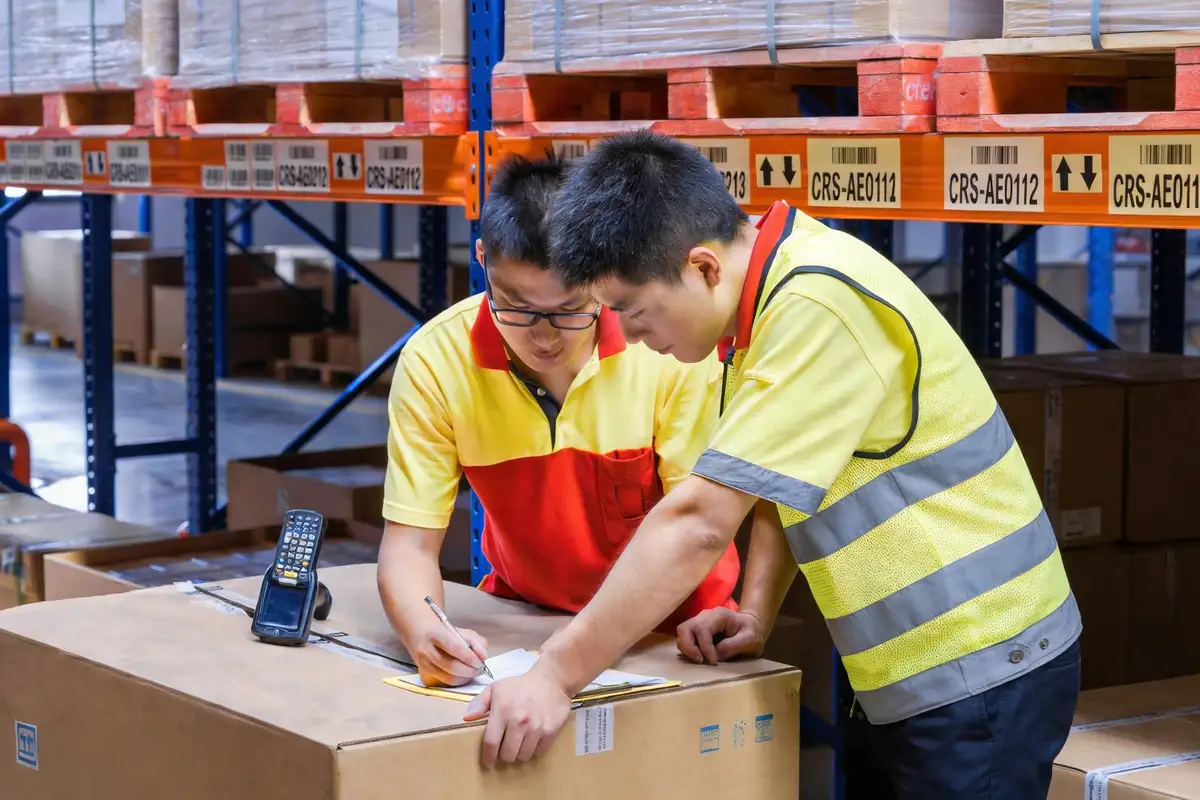
China imports substantial volumes of rice, wheat, and vegetable oils every year — Thai jasmine rice, Australian wheat, and South American soybean oil among them. For foreign grain traders, the quality of storage after arrival determines the value of the entire shipment. Grain is "alive": it breathes, absorbs moisture, molds, and attracts insects. Poor management can destroy hundreds of thousands of dollars' worth of cargo within weeks.
1. International Client Scenario: The Warehousing Route for Imported Grain
Imported grain passes through: arrival at port → customs inspection and quarantine (under China's Administrative Measures for Inspection and Quarantine of Imported Grain) → port-side temporary/transit warehousing → inland distribution warehousing.
Foreign traders typically need a combination of two facility types:
- Port-area transit warehouses: receiving cargo awaiting inspection and distribution
- Inland distribution warehouses: serving processing plants and retail channels
Whichever the facility, grain storage comes down to three battles: moisture, insects, and rodents.
2. Moisture and Mold Control
- Palletize at least 10 cm off the floor (double pallets recommended on ground floors) and 50 cm from walls — floors and walls are where moisture strikes first
- Ventilate on sunny days; close doors and windows in rain and the plum-rain season; run dehumidifiers when humidity exceeds 65%
- Keep warehouse temperature at ≤25°C and humidity ≤65%, recorded daily
- Turn stacks monthly to expose damp bottom layers; isolate damp grain immediately
3. Insect and Rodent Control
- Check every bag at inbound; reject infested lots so pests never enter the warehouse
- Sweep spilled grain daily — leftover grain dust attracts both insects and rodents
- Install 60 cm rodent guards at doors, glue boards along walls, and insect-attracting lights; professional pest control monthly
- Prefer physical trapping over toxic fumigants
4. Storage Parameters by Grain Type
| Category | Vulnerable to | Storage requirements | |------|--------|---------| | Rice | Moisture, insects, heat | ≤20°C ideal, ≤65% humidity, stacks no higher than 10 layers | | Flour | Moisture absorption, odors | Stricter moisture control, stacks no higher than 8 layers, away from strong odors | | Cooking oil | Heat, light, oxidation | Shaded, ≤25°C, typical shelf life 18 months | | Coarse grains | Insects, moisture | Sealed storage, regular inspection |
5. Shelf-Life and Daily Management
- Rice and flour typically carry 6-12 month shelf lives — FIFO is mandatory: new stock inside, old stock outside
- Daily patrols: check for moisture, insects, rodent signs, and roof leaks
- Daily temperature/humidity records; monthly deep cleaning with no dead corners
- Move near-expiry grain to promotion channels early — don't wait for expiry
6. The Red Line: Moldy Grain Must Be Destroyed
Moldy grain contains aflatoxin, a Group 1 carcinogen. In China, moldy grain may not be sold for human or animal consumption under any circumstances: it must be immediately quarantined, destroyed per regulation, and documented. This is a red line of Chinese food-safety regulation — and of a grain trader's reputation.
Rundong Supply Chain's 50,000+ sqm Category II-2 warehouses store imported rice, flour, and oils: pallet-and-rack storage off floors and walls, real-time temperature and humidity monitoring, complete rodent and insect control, and FIFO management — serving multiple grain and oil importers long-term.
Rundong Supply Chain serves 200+ corporate clients, including international brands such as 3M, BASF, CNAF, Rettenmaier, Miwon, bulthaup, SUB-ZERO, Sanyuan Dairy, and Roquette. We provide one-stop services for international clients: transit warehousing, temporary storage, customs clearance, and domestic logistics across China. Contact: +86-21-5918-5706 / shrdwl010@shrdwl.cn